
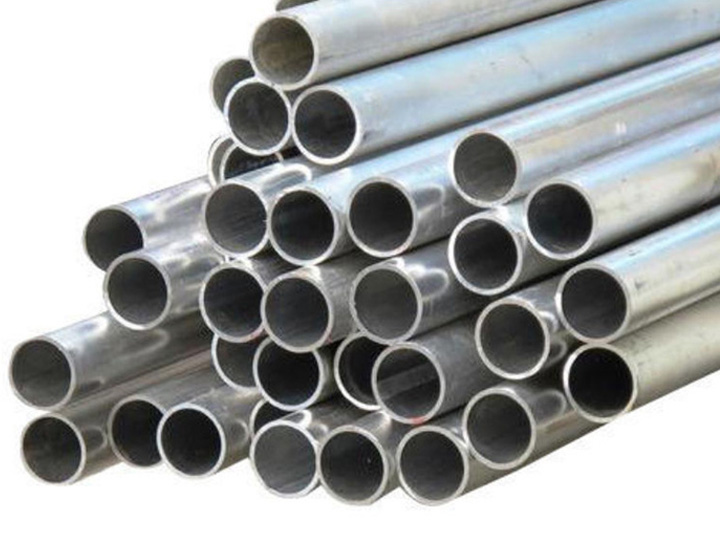
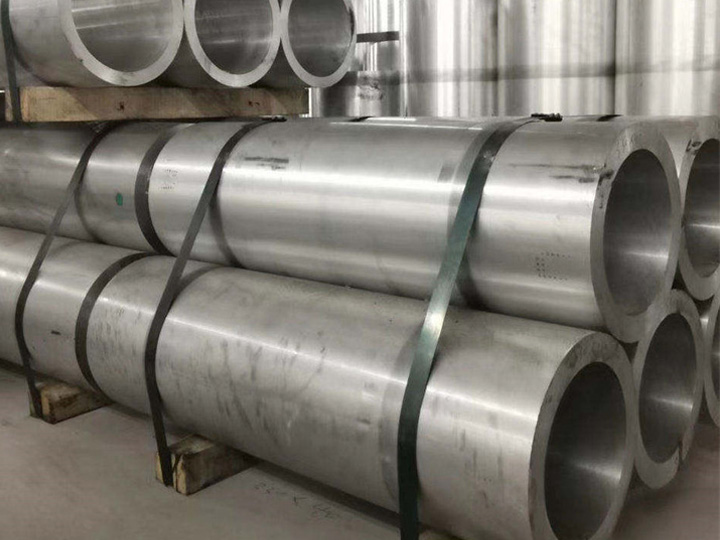
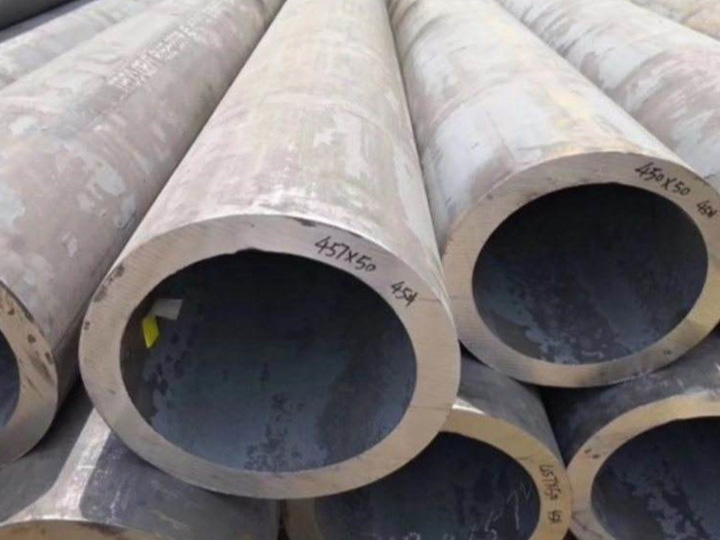
VR
Location: Home > Products > Alloy Steel Pipe

12Cr2MoG Alloy Steel Pipe

Place of Origin:
China
Delivery Time:
22-30 days
Section Shape:
Round, Round
Oiled or Non-oiled:
Non-oiled
MOQ:
1 Ton
Tolerance:
±1%
Alloy Or Not:
Is Alloy
Sample:
Sample Freely
Description
Specification
PAINTING
Projects
Qualification
Description
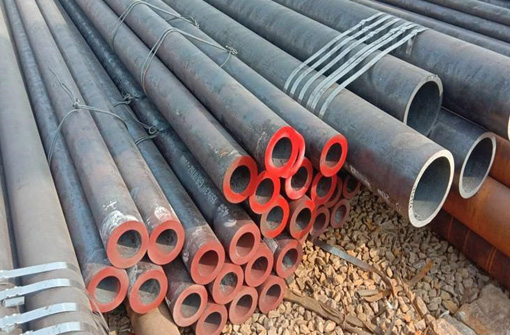
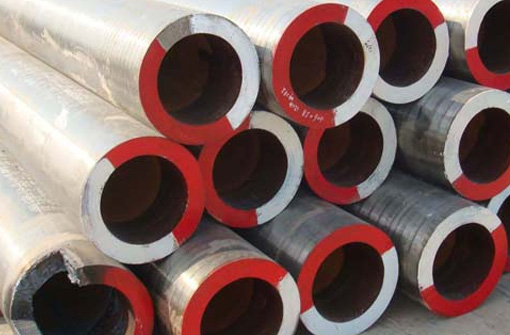
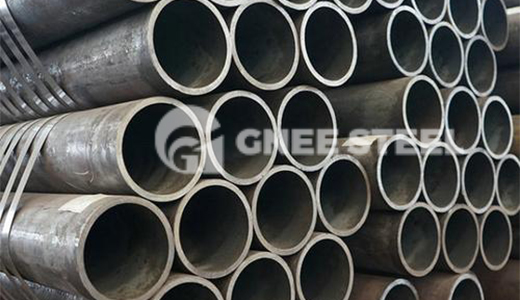
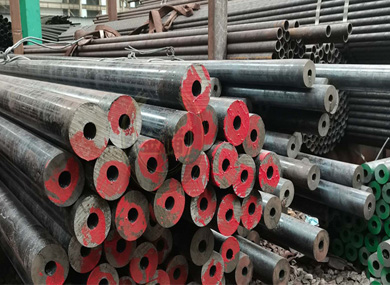
12Cr2MoG alloy steel pipe is a chromium-molybdenum low-alloy heat-resistant seamless steel pipe manufactured in accordance with the Chinese national standard GB/T 5310-2017 Seamless steel tubes for high-pressure boiler. As a classic 2.25Cr-1Mo heat-resistant steel grade, it is a core pressure-bearing material for high-temperature and high-pressure industrial scenarios, widely used in power generation, petrochemical and nuclear power industries. Its unified numerical designation in China is A30128.
Specification
Technical data
12Cr2MoG belongs to pearlitic heat-resistant steel, with the suffix "G" indicating it is specially developed for boiler service. It is designed for steam boilers and pipeline systems operating under high-pressure conditions, and can maintain stable mechanical properties and corrosion resistance under long-term high-temperature and high-pressure conditions. Compared with carbon steel boiler tubes, it has significantly higher creep resistance and oxidation resistance at elevated temperatures, effectively extending equipment service life and reducing tube failure risks.
 
Section Shape Round
Diameter range 12mm - 530mm
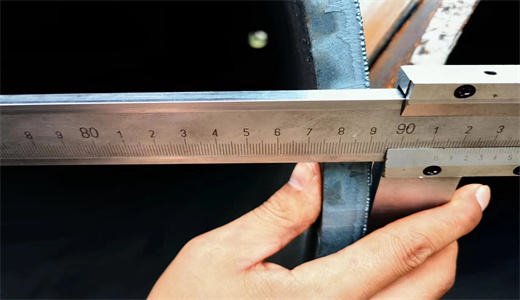
Thickness 1.0 - 12.0 mm
Length 5.8m, 6m, 11.8m, 12m, according to customer's requirement
Grade Q195, Q235, Q355, 10#.20# 45# 15Mn 20Mn 45Mn 30Mn etc.
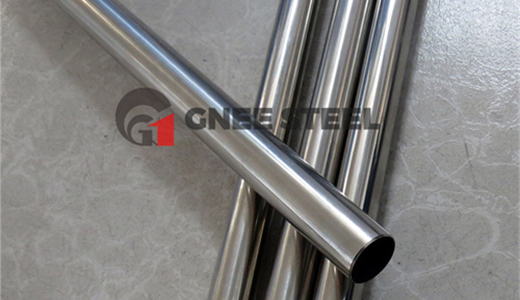
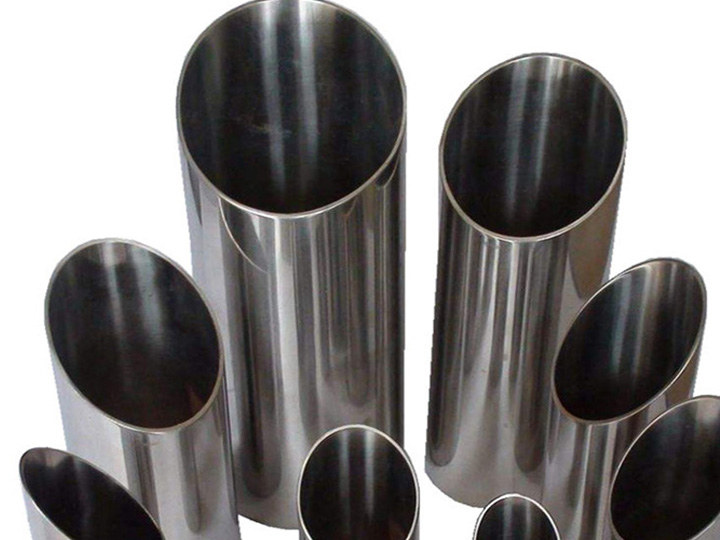
Surface Treatment Polish
Tolerance ±1%
Processing Service Welding, Punching, Cutting, Bending, Decoiling
 

Chemical Composition (GB/T 5310-2017)

The chemical composition of 12Cr2MoG is strictly controlled to guarantee high-temperature performance and metallurgical quality. The cast analysis requirements (mass fraction) are specified as follows:

Element C (Carbon) Si (Silicon) Mn (Manganese) Cr (Chromium) Mo (Molybdenum) P (Phosphorus) S (Sulfur)
Content Range 0.08 – 0.15% ≤ 0.50% 0.40 – 0.60% 2.00 – 2.50% 0.90 – 1.13% ≤ 0.025% ≤ 0.015%

For finished pipe product analysis, the following permissible deviations from cast analysis limits are allowed per GB/T 5310-2017:

Element C Si Mn Cr Mo P S
Permissible Deviation ±0.01% ±0.04% ±0.03% ±0.15% ±0.04% 0 – +0.005% 0 – +0.005%

Element function mechanism: Chromium forms a dense oxide film on the material surface to improve high-temperature oxidation resistance; molybdenum enhances creep resistance and high-temperature strength via solution strengthening; low carbon content ensures good weldability and low-temperature toughness; phosphorus and sulfur are strictly limited as harmful elements to avoid hot brittleness and temper brittleness.


Mechanical Properties

Room Temperature Tensile Properties

Tensile Strength Rm Yield Strength ReL / Rp0.2 Elongation A (Longitudinal) Elongation A (Transverse)
450 – 600 MPa ≥ 280 MPa ≥ 22% ≥ 20%


High Temperature Proof Strength (Rp0.2 Minimum)

At different service temperatures, the minimum plastic extension strength of 12Cr2MoG meets the following requirements (unit: MPa):

Temperature (℃) 100 150 200 250 300 350 400 450 500 550
Rp0.2 Value 192 188 186 185 185 185 185 181 173 159


Impact & Hardness Properties

  • Impact test: Mandatory for pipes with outer diameter ≥ 76 mm and wall thickness ≥ 14 mm. Minimum Charpy V-notch impact energy KV2: 40 J (longitudinal), 27 J (transverse).
  • Hardness: Brinell hardness 125 – 180 HBW, Vickers hardness 125 – 190 HV. The test method is selected according to pipe wall thickness.
Advantage

Manufacturing Process & Delivery Condition

Full Manufacturing Process

12Cr2MoG seamless steel pipes are manufactured through full-process quality control from steelmaking to finished products:

  1. Steel smelting: Produced via electric furnace + ladle refining, oxygen converter + ladle refining, or electroslag remelting process to ensure high molten steel purity and low inclusion level.
  2. Tube blank production: Available in continuous casting billet, die casting ingot or hot rolled (forged) billet, with strict control of internal defects and composition segregation.
  3. Pipe forming process: Divided into two categories per final finishing state:
    • Hot-finished (code WH): including hot rolling, hot extrusion and hot expansion
    • Cold-finished (code WC): including cold rolling and cold drawing


Heat Treatment & Delivery Requirement

All 12Cr2MoG steel pipes must be delivered in heat-treated condition. The heat treatment system varies according to wall thickness specifications:

  • Wall thickness ≤ 30 mm: Normalizing + tempering. Normalizing temperature: 900 – 960 ℃; tempering temperature: 700 – 750 ℃.
  • Wall thickness > 30 mm: Quenching + tempering OR normalizing + tempering with forced rapid cooling after normalizing. Quenching temperature ≥ 900 ℃, tempering temperature 700 – 750 ℃; normalizing temperature 900 – 960 ℃.
  • Hot expanded pipes: For pipes with outer diameter ≥ 457 mm, if the final rolling temperature falls within the range from phase transformation critical temperature to 960 ℃ and the pipe is air-cooled, it can be regarded as normalized (excluding hot expanded pipes without integral simultaneous heating).


Core Performance Advantages

  1. Excellent high-temperature creep resistance: The composite strengthening of chromium and molybdenum ensures the material maintains high rupture strength and creep resistance below 550℃, supporting long-term service under high pressure and high temperature conditions.
  2. Reliable oxidation and corrosion resistance: Chromium forms a dense protective oxide film on the pipe surface, which effectively resists high-temperature steam oxidation and sulfide corrosion, significantly extending service life.
  3. Stable microstructure: Proper normalizing and tempering produces a uniform tempered sorbite structure with low residual stress and excellent thermal fatigue resistance, adapting to frequent boiler start-stop and load fluctuation cycles.
  4. Good weldability: Low carbon content and optimized alloy design enable compatibility with standard welding processes, reducing on-site construction and equipment manufacturing costs.
  5. High dimensional precision: The seamless forming process delivers tight dimensional tolerance and smooth surface finish, facilitating fabrication, alignment and installation.


Main Industrial Applications

As a classic medium-temperature heat-resistant alloy steel pipe, 12Cr2MoG is widely used in core industrial fields including:

  • Power generation industry: Core material for subcritical and supercritical thermal power plant boilers, used to manufacture superheater tubes, reheater tubes, main steam pipes and high-temperature headers. It is suitable for operating pressures above 9.8 MPa and metal wall temperature below 580℃.
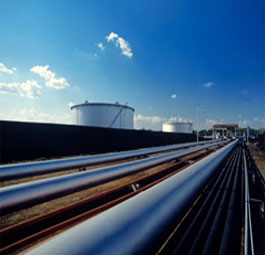
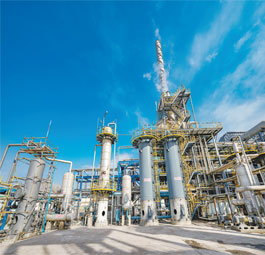
  • Petrochemical industry: Applied to high-pressure reactors, heat exchanger tubes and process pipelines for transporting high-temperature, high-pressure and corrosive media, such as hydrogenation units and high-temperature refining equipment.
  • Nuclear power industry: Used in conventional island steam systems, auxiliary boiler systems and selected high-temperature piping applications in nuclear power plants where GB/T 5310 materials are specified.
  • General industrial equipment: Manufacturing of other high-temperature pressure vessels, heat exchange systems and high-temperature pressurized components.


International Equivalent Grades

12Cr2MoG belongs to the globally universal 2.25Cr-1Mo heat-resistant steel system. The corresponding grades under major international standards are as follows:

Standard System Corresponding Grade Application Notes
ASME SA213 T22 / SA335 P22 T22 for small-diameter boiler tubes; P22 for large-diameter pipes and headers
ASTM A213 T22 / A335 P22 Consistent alloy system and core performance level
EN (European Standard) EN 10216-2 10CrMo9-10 Material number: 1.7380
DIN (German Standard) DIN 17175 10CrMo910 Classic German heat-resistant steel grade
JIS (Japanese Standard) STBA24 / STPA24 STBA24 for boiler tubes; STPA24 for pressure piping
FAQ

What is the maximum long-term service temperature of 12Cr2MoG?

12Cr2MoG is recommended for long-term service at metal wall temperatures below 550℃. Under short-term or special working conditions, it can withstand up to 580℃. However, long-term service above 550℃ will accelerate material creep and oxidation, significantly reducing service life and safety margin.


What is the difference between 12Cr2MoG and 12Cr1MoVG?

They are two different heat-resistant boiler steel grades with obvious differences:

  • Alloy system: 12Cr2MoG follows the 2.25Cr-1Mo system and contains no vanadium (V); 12Cr1MoVG follows the 1Cr-0.3Mo-V system, with vanadium added for grain refinement and precipitation strengthening.
  • Performance focus: 12Cr2MoG provides better resistance to high-temperature hydrogen attack (HTHA) and improved stability in medium-temperature petrochemical service.
  • Main application: 12Cr2MoG is widely used in petrochemical hydrogenation units and medium-temperature boiler pipelines; 12Cr1MoVG is the mainstream material for superheaters and reheaters of domestic power plant boilers.


Is 12Cr2MoG fully equivalent to ASTM A335 P22?

12Cr2MoG and ASTM A335 P22 / A213 T22 belong to the same 2.25Cr-1Mo heat-resistant steel system, with basically consistent chemical composition and core mechanical properties. They are generally regarded as comparable materials with similar service capabilities, but full interchangeability should be verified against project specifications, code requirements and purchaser approval. However, there are slight differences in specific impurity limits, heat treatment details and inspection standards. For strict material interchange scenarios, confirmation from the design party is required.


Can 12Cr2MoG steel pipes be delivered in as-rolled condition?

No. According to the mandatory requirements of GB/T 5310-2017, all 12Cr2MoG high-pressure boiler tubes must be delivered after standard heat treatment (normalizing + tempering or quenching + tempering) to ensure stable microstructure and qualified high-temperature performance. As-rolled or as-drawn condition is not allowed for delivery.


What is the conventional size range of 12Cr2MoG seamless pipes?

Conventional supply range: outer diameter from 13.7 mm to 660 mm, wall thickness from 2 mm to 100 mm. For large-diameter hot-expanded pipes, the outer diameter can reach up to 1500 mm and wall thickness up to 150 mm. Non-standard sizes can be customized according to project requirements.






Consult our expert technicians today for professional solutions.
PAINTING
Projects
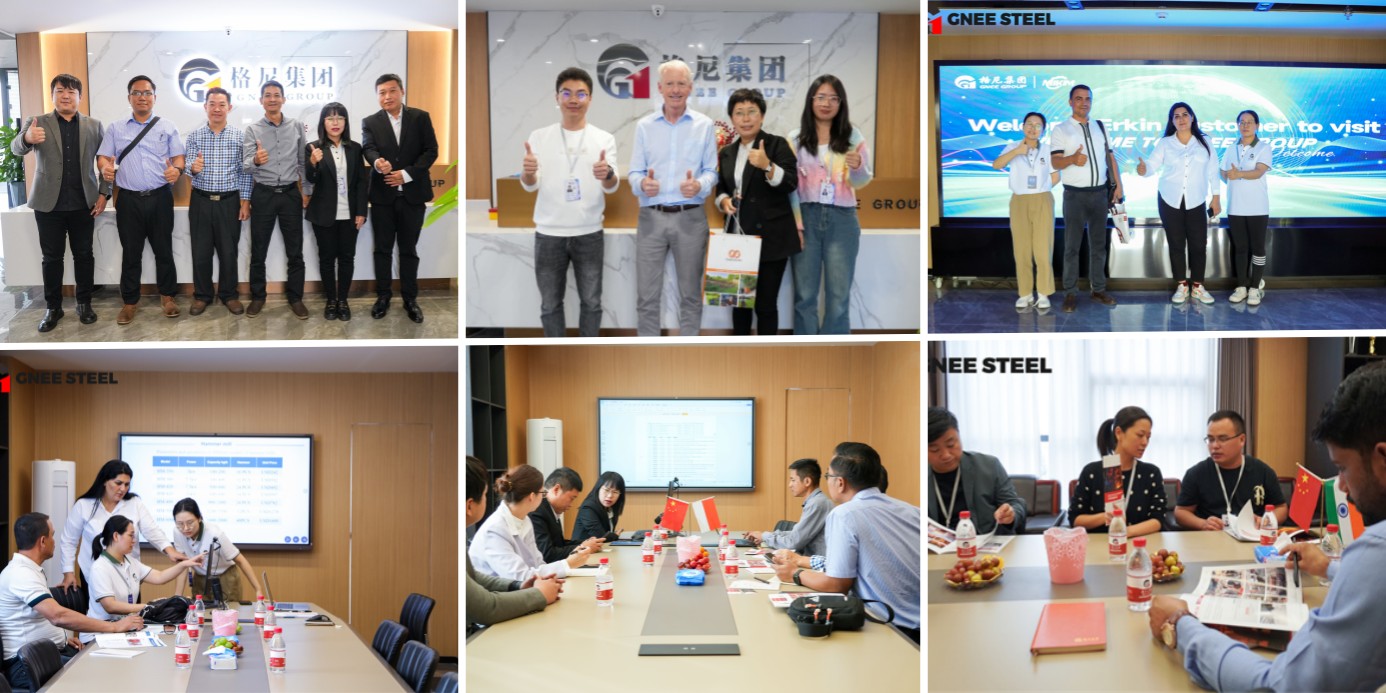
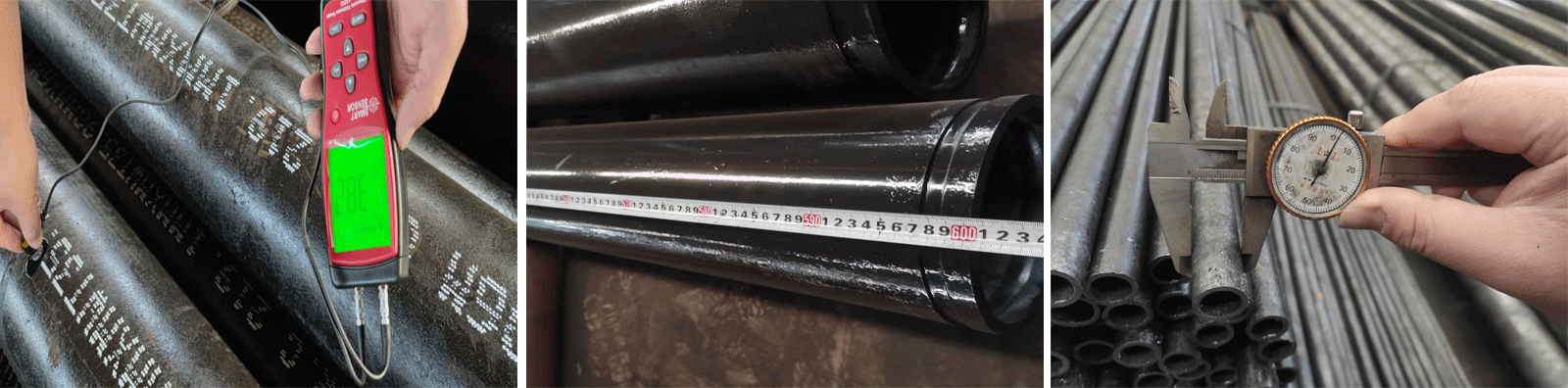
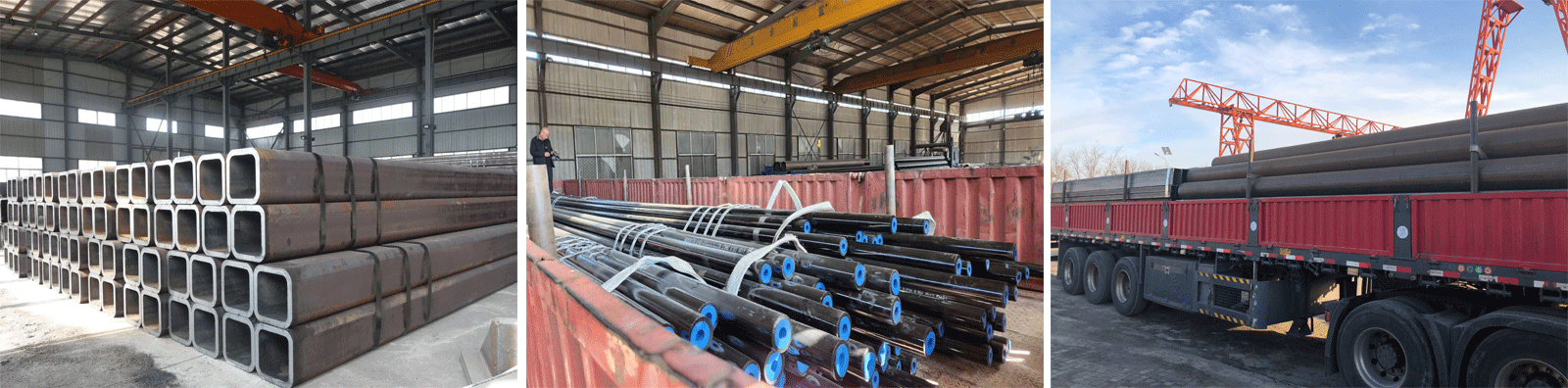
Introduction to our quality control
Gnee steel group is a supply chain integrated enterprise including steel plate, coil, profile, outdoor landscape design and processing.
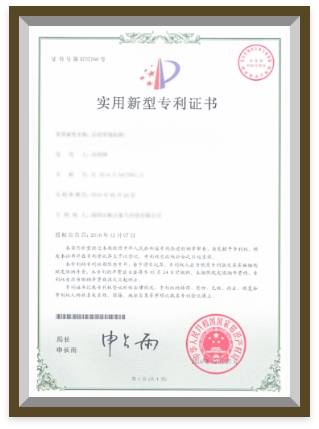
Patents
Patents
Are you a factory or trading company?
We are professional manufacturer, and our company also is a very professional a trade company for steel products. We can provide a wide range of steel products.
Can I get samples before order ?
Yes, of course.  Usually our samples are free.  we can produce by your samples or technical drawings.
What is our quality inspection standard?
Our key qualities and services comprise of:
• Quality assured goods
• Multiple payment modes
• Experienced crew
• Prompt shipment
• Ethical business policies
• Wide distribution network
Which certifications have we acquired?
GNEE PIPE has the following certification:
• GST CERTIFICATE
• CERTIFICATE OF INCORPORATION
• CERTIFICATE OF IMPORT EXPORT CODE
• ISO CERTIFICATE
• CE CERTIFICATE
• MANUFACTURING CERTIFICATE
Can GNEE PIPE customise the design as per my requirement?
Yes, GNEE PIPE specializes in precisely manufacturing products according to the customers unique needs and requirements.
Tel: +86 -372-5055135
Email: info@gneetube.com
Whatsapp: +86 15822557385